Thinking about starting a side hustle that earns in dollars? Short-stay rentals are one of the fastest-growing property businesses in the country, and it has never been easier to start an Airbnb business in Kenya. From Nairobi apartments to Diani beach cottages, hosts are turning empty rooms into steady monthly income.
This guide walks you through everything you need — from picking the right location and furnishing the space, to licences, pricing, marketing and the real costs involved. Whether you own a property or plan to rent one to sublet, by the end you will know exactly what it takes to launch and run a successful Airbnb.
#What Is an Airbnb Business?
An Airbnb business is a short-term rental business where you host paying guests in a furnished space — usually a room, apartment, cottage or house — for a night, a week or a month. The name comes from the popular platform Airbnb, but hosts also list on Booking.com, Vrbo, and even directly on Instagram or WhatsApp.
Unlike a long-term rental where a tenant signs a one-year lease, an Airbnb earns per night. That means higher potential income, but also more work — cleaning, guest communication, and marketing never stop.
#Why Airbnb Is Popular in Kenya
Kenya has become a top African destination for both business and leisure travellers. Nairobi hosts hundreds of conferences each year, Mombasa and Diani attract beach lovers, and Nanyuki, Naivasha and the Maasai Mara draw safari tourists. Domestic travel is also booming — many Kenyans prefer self-catering stays over hotels for weekends, birthdays and small getaways.
For property owners, the numbers are attractive:
- A one-bedroom Airbnb in Kilimani or Westlands can earn KES 3,500 – 7,000 per night.
- The same apartment on a long-term lease might rent for KES 45,000 – 70,000 per month.
- At just 15 booked nights a month, the Airbnb often out-earns the long-term rental.
#What You Need to Start an Airbnb Business in Kenya
Here is the short version — everything else in this article expands on these points.
- A suitable property in a location guests actually want.
- Quality furniture, linen, kitchenware and Wi-Fi.
- Reliable water, backup power and secure access.
- Legal paperwork — county single business permit, KRA PIN and tourism regulator registration.
- Professional photos and a compelling online listing.
- A pricing strategy, cleaning team and guest communication system.
- Enough starting capital to cover setup and 2–3 months of running costs.
Miss any of these and your listing will struggle. Get them right and you can build a profitable, largely hands-off business.
#Choosing the Right Location
Location is the single biggest factor in Airbnb success. A beautiful apartment in the wrong area will sit empty; an average unit in a hot area will book out every weekend.
High-demand areas in Kenya include:
- Nairobi: Kilimani, Westlands, Lavington, Kileleshwa, Upper Hill, Riverside, Parklands and areas near JKIA such as Syokimau.
- Coast: Nyali, Bamburi, Diani, Watamu and Malindi.
- Getaway towns: Naivasha, Nanyuki, Nakuru, Kisumu and Eldoret.
Ask yourself:
- Is it close to conference venues, hospitals, malls or beaches?
- Is the neighbourhood safe, especially at night?
- Are there restaurants, supermarkets and taxis nearby?
- How is traffic to and from the airport?
Browse verified Airbnb-friendly apartments and houses for rent on Foxwood Properties to see where units are moving fastest.
#Finding the Right Property
Once you have chosen a location, you have three main options:
- Use a property you already own. The cheapest way to start — no rent, higher margins.
- Rent-to-rent (sublet). You lease a unit long-term, get written permission to sublet, then list it on Airbnb.
- Buy a new property specifically for Airbnb. Best long-term play, but needs the most capital.
Look for units with:
- A separate lockable entrance (so long-term neighbours are not disturbed).
- Reliable water — a borehole or good tank storage is essential.
- Backup power or an inverter.
- Ample secure parking.
- Fibre internet coverage (Safaricom Home Fibre, Zuku or Faiba).
Foxwood Properties can help you shortlist apartments and houses that meet these criteria.
#Furnishing Your Airbnb
Guests compare your listing to hotels. The photos and the first five minutes after check-in decide your reviews — and reviews decide your bookings.
Bedroom essentials:
- Quality mattress (not the cheapest — guests always mention this).
- Two sets of white cotton bedding per bed.
- Blackout curtains.
- Bedside lamps with USB charging.
Living area essentials:
- Comfortable 3- or 5-seater sofa.
- Smart TV with Netflix or DStv Now.
- Coffee table and dining set.
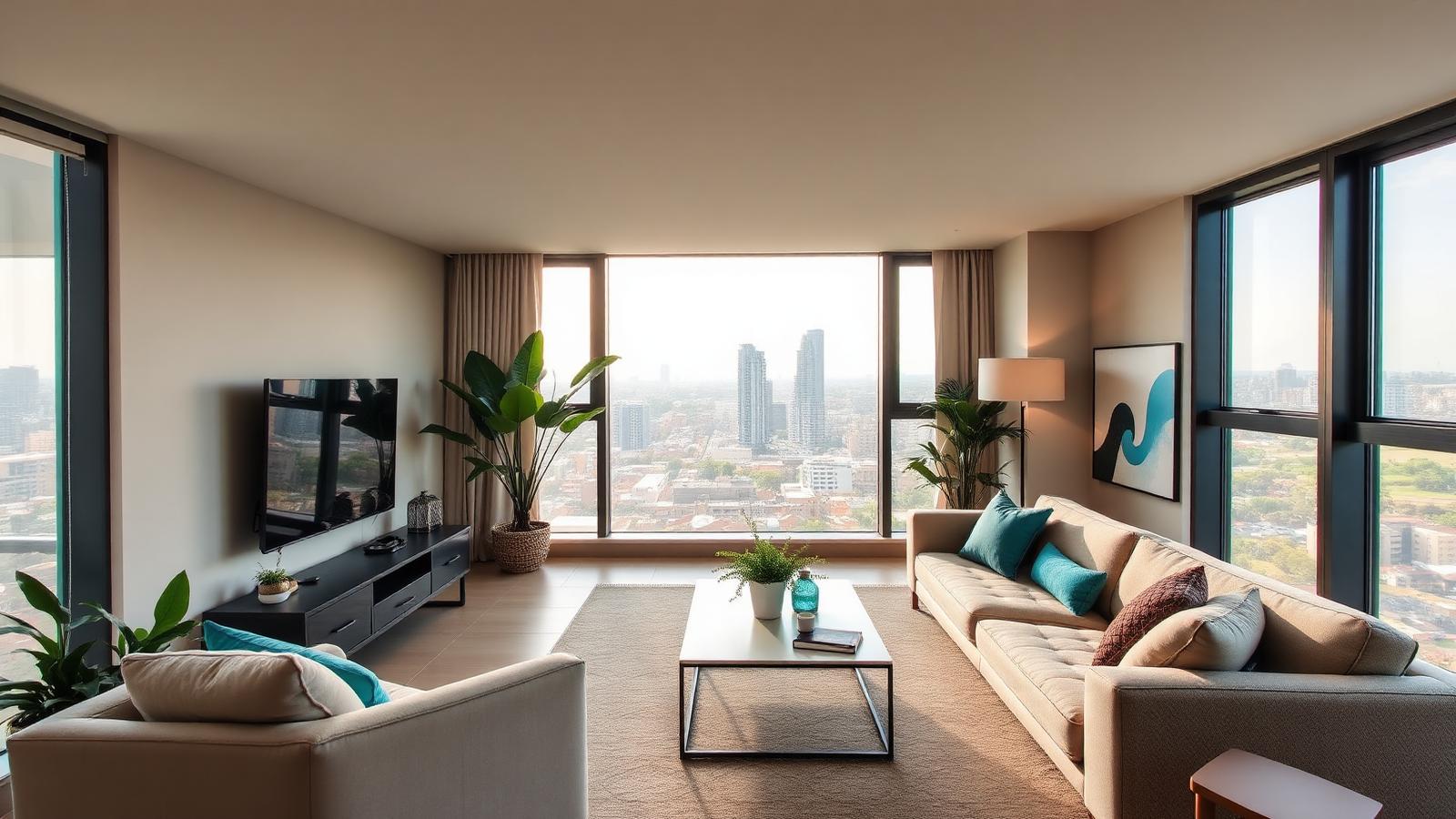
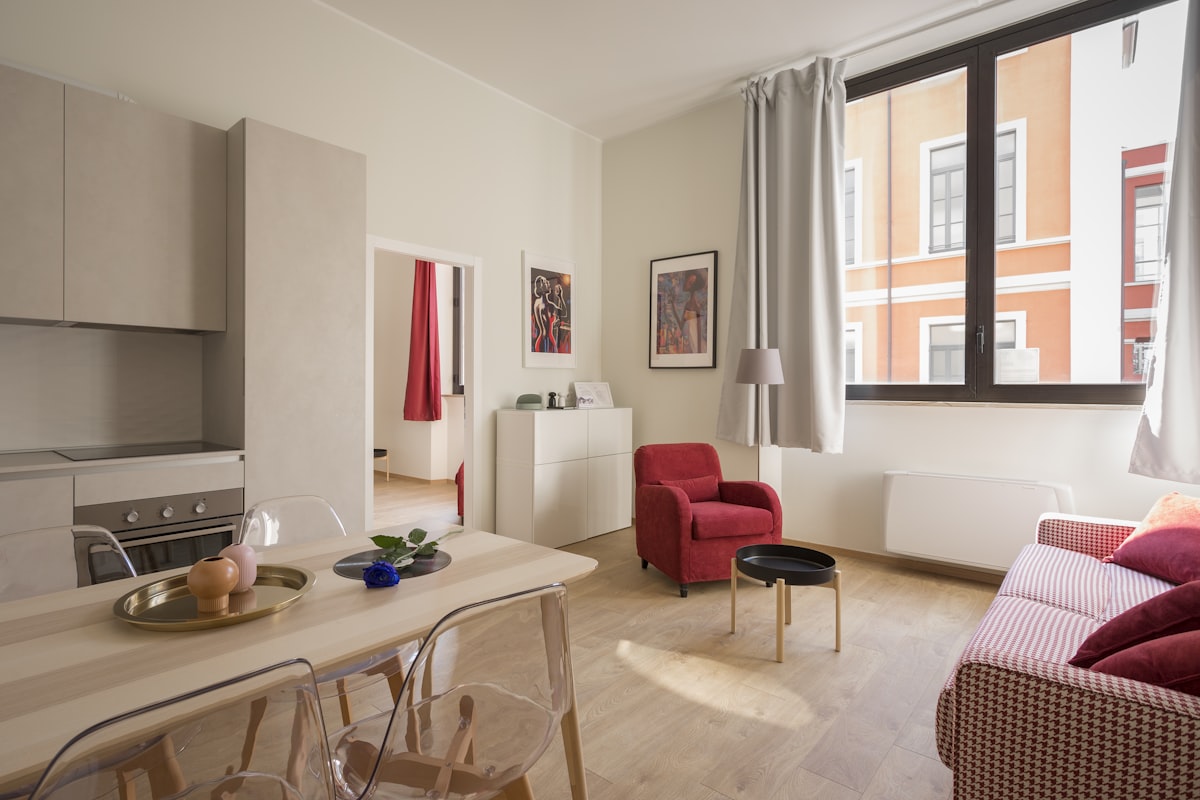
- Decor that looks great in photos — art, plants, throw pillows.
Kitchen essentials:
- Fridge, microwave, cooker and kettle.
- Full cutlery, plates, glasses, mugs and cookware for the maximum guest count.
- Basic starter pack: salt, sugar, tea bags, cooking oil, coffee.
Bathroom essentials:
- Instant hot shower.
- Fluffy white towels (two per guest).
- Toiletries: hand soap, body wash, shampoo, toilet paper.
#Legal Requirements and Licences in Kenya
Running an Airbnb is a business, and the government treats it as one. Skipping paperwork can lead to fines or closure.
Here is what you need:
| Requirement | Where to get it | Approx. cost |
|---|---|---|
| KRA PIN | KRA iTax | Free |
| Single Business Permit | County government | KES 10,000 – 30,000 / year |
| Tourism Regulatory Authority (TRA) licence | eCitizen / TRA | KES 5,000 – 25,000 / year |
| Fire safety certificate | County / Fire dept. | KES 3,000 – 10,000 |
| Health inspection certificate | County health office | KES 2,000 – 5,000 |
| NEMA compliance (large units) | NEMA | Varies |
You will also pay:
- Income tax on your earnings (individual rates or turnover tax if you earn under KES 25M/year).
- Catering Levy (2%) to the Tourism Fund on gross sales.
- VAT (16%) if annual turnover exceeds KES 5 million.
#Business Registration (if applicable)
If you plan to run more than one unit or open a bank account for the business, register a limited company or a business name on eCitizen. Costs are around KES 950 for a business name and KES 10,650 for a private limited company.
Benefits of registering:
- Separates personal and business finances.
- Makes it easier to bring on investors or a co-host.
- Improves your credibility with landlords and guests.
#Pricing Your Airbnb
Pricing is part art, part data. Set prices too high and you sit empty; too low and you leave money on the table.
A simple starting formula:
- Look up 5–10 similar listings in your neighbourhood on Airbnb.
- Take the average nightly rate.
- Start 10–15% below that for your first 30 days to attract early bookings and reviews.
- Raise prices gradually as your reviews grow.
Use dynamic pricing:
- Charge more on Fridays, Saturdays and public holidays.
- Charge more during high season (December, Easter, August).
- Offer 10–20% weekly and 25–40% monthly discounts to attract longer stays.
Tools like PriceLabs, Beyond Pricing or Airbnb's built-in Smart Pricing can automate this once you have some booking history.
#Marketing Your Airbnb
The Airbnb algorithm rewards new listings with a small boost in the first 30 days. Use that window well.
On-platform tips:
- Hire a professional photographer (KES 5,000 – 15,000). Photos are the #1 conversion driver.
- Write a benefit-driven title: "Bright 1BR near Sarit Mall • Fast Wi-Fi • Netflix".
- Fill in every amenity — the algorithm uses this for filters.
- Respond to messages within one hour. Response rate directly affects ranking.
- Aim for 5-star reviews on the first 10 stays. Ask happy guests politely.
Off-platform marketing:
- Create an Instagram page for your unit and post reels.
- Join Kenyan Airbnb host Facebook and WhatsApp groups.
- List your unit on Booking.com and Vrbo to diversify income.
- Ask corporate clients (embassies, NGOs, film crews) directly for long stays.
- Write about your area on our blog and link back to the listing.
#Common Mistakes to Avoid
Most Airbnbs that fail in Kenya do not fail because of the market — they fail because of avoidable owner mistakes.
Watch out for:
- Cheap mattresses and thin towels. Guests always mention these in reviews.
- No backup water or power. One bad day can generate a permanent 1-star review.
- Ignoring the house rules. Vague rules invite parties and damage.
- Slow replies. Airbnb penalises hosts who reply in over an hour.
- DIY photos. Phone photos in poor light lose you thousands per month.
- Renting from a landlord who bans subletting. You can be evicted with no notice.
- Skipping insurance. Airbnb''s AirCover is not a full replacement for local cover.
#Estimated Startup Costs
Here is a realistic budget for a one-bedroom Airbnb in Nairobi. Adjust up or down based on quality and location.
| Item | Low estimate (KES) | Comfortable (KES) |
|---|---|---|
| Deposit + first month rent | 60,000 | 120,000 |
| Furniture (sofa, bed, dining) | 80,000 | 200,000 |
| Appliances (fridge, TV, cooker) | 60,000 | 150,000 |
| Linen, towels, crockery | 25,000 | 60,000 |
| Decor and styling | 15,000 | 50,000 |
| Wi-Fi installation | 5,000 | 10,000 |
| Professional photos | 5,000 | 15,000 |
| Licences & permits | 20,000 | 50,000 |
| Marketing & branding | 5,000 | 20,000 |
| Working capital (2 months) | 40,000 | 100,000 |
| Total | 315,000 | 775,000 |
Most first-time hosts break even within 6–12 months at 60% occupancy.
#Tips for Success
- Automate check-in with a smart lock or lockbox — no midnight arrivals waking you up.
- Use a professional cleaner and pay for a same-day turnover. Never clean between guests yourself once you have more than one unit.
- Create a simple digital welcome book on Canva with Wi-Fi password, house rules, and local restaurant tips.
- Photograph every corner before each guest arrives. This protects you if damage is claimed.
- Reinvest your first 6 months of profit into upgrades — better bedding, a coffee machine, blackout curtains. Small upgrades lift your review score.
- Track everything in a simple spreadsheet: nights booked, revenue, cleaning costs, supplies. You cannot improve what you do not measure.
#Frequently Asked Questions (FAQ)
#How much can I earn from an Airbnb in Kenya?
A well-run one-bedroom in Nairobi can gross KES 90,000 – 180,000 per month at 60–70% occupancy. Coastal cottages and Nanyuki cabins can earn more during high season.
#Do I need to own the property to start?
No. Many successful hosts rent long-term and sublet — but you must have written permission from the landlord.
#Is an Airbnb business legal in Kenya?
Yes. You need a KRA PIN, a Single Business Permit from your county, and a TRA licence. Some counties also require a fire and health inspection.
#How long does it take to become profitable?
Most new Airbnbs need 3–6 months to build reviews and reach steady occupancy. Full payback of setup costs usually takes 6–12 months.
#Can I run an Airbnb while working a full-time job?
Yes, but only if you outsource cleaning and use tools for automated messaging and pricing. Otherwise it will consume every evening.
#What insurance do I need?
Take out a landlord/short-let insurance policy from a Kenyan insurer. Airbnb''s built-in AirCover helps but has strict limits and slow claim times.
#Conclusion
You now have a complete roadmap to start an Airbnb business in Kenya — from picking the right city, to furnishing, licensing, pricing and marketing. The market is competitive, but hosts who invest in quality, respond fast, and treat it like a real business consistently out-earn traditional rentals.
The best time to start was two years ago. The next best time is today.

Discussion (0)
Loading comments…